
Common Mistakes to Avoid When Using Temperature Data Loggers in the Cold Chain
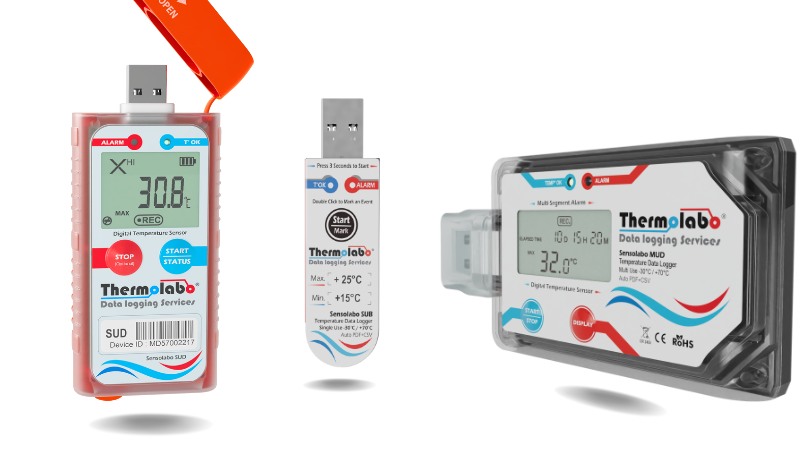
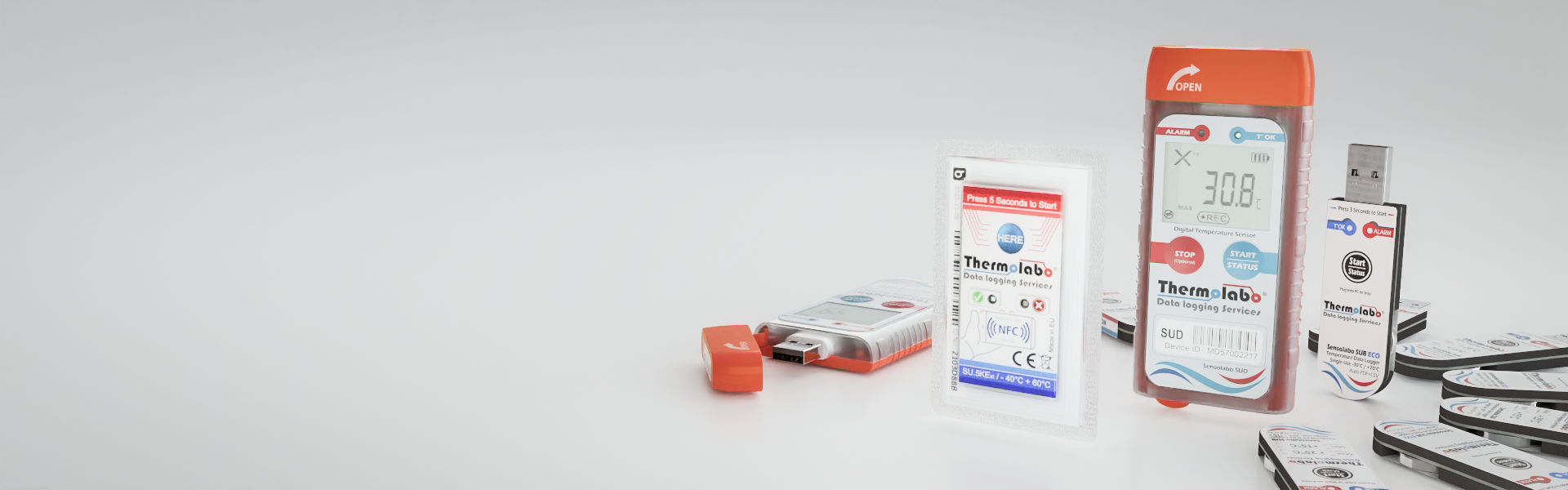
In the cold chain industry, where sensitive products such as food, pharmaceuticals, and chemicals are transported and stored at strictly controlled temperatures, the use of temperature data loggers is essential. These devices allow real-time monitoring of temperature conditions, ensuring product quality throughout their journey. However, despite their power, errors can occur that compromise the effectiveness of temperature monitoring and, consequently, product safety. Here are the common mistakes to avoid.
1. Using Non-Calibrated Data Loggers or Those Without a Calibration Certificate
One of the most serious mistakes in using temperature data loggers is failing to use calibrated or certified devices. Data loggers that are not properly calibrated or lack a calibration certificate can provide erroneous data, which can skew the entire cold chain control process. This is especially true for lower-quality data loggers, often low-cost models, which do not guarantee the accuracy required for sensitive products such as medicines or food. Using these devices can lead to serious consequences in the event of an audit or regulatory check.
2. Failing to Start the Temperature Data Logger Correctly
Incorrectly starting the temperature data logger before use is a critical mistake. While many modern data loggers are easy to start by pressing a “start” button, some devices may display a fault signal at startup that can go unnoticed if the user is not trained to recognize it. It is essential to provide clear instructions to ensure the logger is working properly before transport begins. Neglecting this step can compromise the reliability of the collected data, particularly if the logger does not start recording or encounters an undetected issue.
3. Not Checking the Settings and Internal Clock of the Data Logger
Forgetting to check the initial settings and internal clock of the data logger can cause major errors in the collected data. If the internal clock of the data logger is incorrectly set or if the configuration does not align with the specific transport requirements, this can distort temperature recording and make accurate data analysis difficult. It is imperative to ensure that the settings and internal clock are properly checked and adjusted before starting the recording.
4. Incorrect Placement of the Temperature Data Logger
The placement of the temperature data logger plays a crucial role in the accuracy of the collected data. Placing the logger in a poorly ventilated area, near a heat source, or in a location isolated from the product can result in erroneous readings, distorting the representation of the temperature conditions experienced by the products. Therefore, it is essential to strategically place the logger so that it measures temperature conditions that are representative of the transport or storage environment, ideally at the center of the product lot.
5. Failing to Link the Data Logger’s Serial Number with the Shipment or Lot Identification
Not establishing a clear link between the serial number of the data logger and the identification of the shipment or product lot is a commonly overlooked mistake, yet it can make traceability difficult in the event of an inspection. For optimal cold chain management, it is essential to associate each data logger with a specific shipment or lot, thus facilitating the retrieval of relevant data and ensuring transparency during audits. Complete traceability ensures that temperature data can be linked to specific products, guaranteeing their safety and compliance.
6. Not Using a Data Storage System for Future Audits
Single-use temperature data loggers are designed to store critical data during transport, but often, an effective system for retrieving this information post-shipment is neglected. Failing to retain or improperly storing the data can pose a problem during audits or compliance checks. It is crucial to quickly transfer the collected data to a secure storage system, where it can be accessed years after transport if necessary.
7. Not Considering the Storage Conditions of Data Loggers Before Use
A commonly overlooked error is storing data loggers in inappropriate conditions before use. For example, failing to consider that extreme temperatures can damage the batteries and affect the performance of the loggers. It is essential to store the loggers in a room-temperature environment and allow them to stabilize before starting the data recording. If the logger is too cold, it should stabilize to ambient temperature before beginning data recording. Additionally, it is recommended to transport the loggers in an insulated box, rather than in a pocket or by hand, as this could heat up the device and skew the readings.
8. Not Indicating the Location of the Data Loggers in the Shipment
Another common mistake is not clearly indicating the location of the data loggers in the shipment. If the logger is placed inside a complete box or in a difficult-to-locate spot, it may be challenging for the recipient to quickly find it upon arrival, delaying access to the data. Therefore, it is crucial to specify the logger’s location in the shipping documents or even mark the location on the packaging. This ensures that the logger can be quickly located, facilitating the retrieval of the data.
Conclusion
Using temperature data loggers in the cold chain is essential to ensure the safety of transported products, but common mistakes can compromise their effectiveness. By choosing calibrated and certified data loggers, starting devices correctly, verifying their settings, placing the loggers in the right locations, and ensuring complete traceability, businesses can avoid costly errors. Furthermore, it is crucial to properly store the data and adhere to the recommended storage conditions for the loggers to optimize temperature monitoring. By avoiding these mistakes, businesses can ensure the safety of their products, improve logistical performance, comply with regulations, and strengthen customer trust.