Single-Use vs. Reusable Temperature Loggers in Cold Chain Monitoring

Advantages and Disadvantages of Single-Use vs. Reusable Temperature Loggers in Cold Chain Monitoring

Introduction

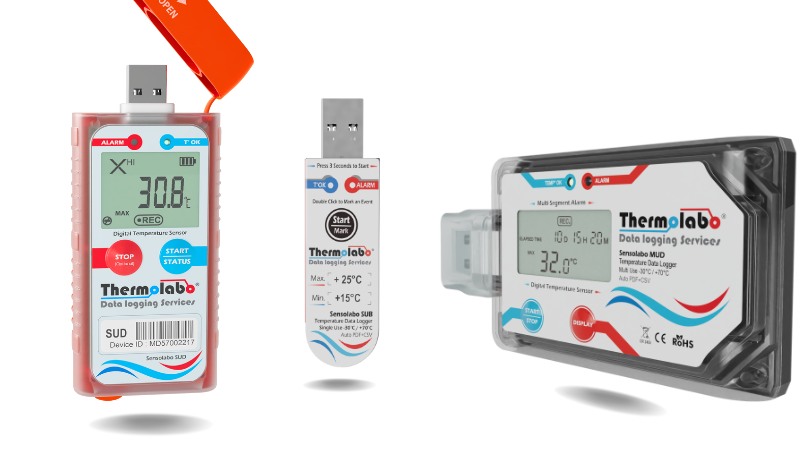
In cold chain monitoring, which is crucial to ensure the safety and efficacy of temperature-sensitive products, temperature loggers play a central role. These devices track and record temperature fluctuations throughout the transportation and storage of sensitive goods such as pharmaceuticals, vaccines, food products, and other perishable items. Depending on the specific needs, temperature loggers can be classified into two main categories: single-use and reusable. Each of these types presents advantages and disadvantages, which influence the choice of device based on specific cold chain monitoring requirements.

Single-Use Temperature Loggers

Single-use temperature loggers are devices that, once used to record temperature data, cannot be reused. They are typically discarded after completing the transport or storage phase.

Advantages of Single-Use Loggers

  1. Ease of Use and Management
    Single-use loggers are extremely simple to use. Once activated, they automatically record temperature data during transport or storage. There is no need for complex interventions or adjustments, making them easy to adopt, even for users with limited experience.
  2. Lower Initial Cost
    Compared to reusable loggers, single-use loggers generally have a lower upfront cost. This can be an important advantage for businesses that handle a high volume of shipments and seek to reduce initial expenditures.
  3. No Data Integrity Concerns
    Designed for a single use, these loggers are specifically calibrated for tracking a single shipment. This guarantees that no data is altered by prolonged use or data overload.
  4. Compliance with Regulatory Requirements
    Single-use loggers are particularly useful in highly regulated sectors, such as the pharmaceutical industry, where providing irrefutable proof of transport conditions for each shipment is critical.

Disadvantages of Single-Use Loggers

  1. High Recurring Costs
    While the initial cost is lower, the repeated purchase of single-use loggers for each shipment can lead to significant recurring costs, especially for businesses with frequent shipments.
  2. Inefficiency for Long-Term Use
    Single-use loggers are not suited for long-term needs as they are discarded after each use. For companies with continuous monitoring needs over an extended period, this solution is not cost-effective.
  3. Environmental Impact
    Constant disposal of single-use loggers increases electronic waste production, which can have a significant environmental impact. Additionally, managing this waste can be a challenge for businesses aiming for sustainability.

Reusable Temperature Loggers

Reusable temperature loggers are devices designed for multiple uses. After completing the temperature recording, the data is extracted, and the logger can be reused for other shipments.

Advantages of Reusable Loggers

  1. Lower Long-Term Costs
    Although reusable loggers have a higher upfront cost, their continued use makes them more economical in the long run. Once purchased, there is no need to spend money on new loggers for each shipment, resulting in substantial savings for businesses with high shipment volumes.
  2. Reduced Electronic Waste
    One of the main environmental benefits of reusable loggers is the reduction of electronic waste. Since these devices can be used repeatedly, they generate less waste compared to single-use loggers, contributing to more sustainable practices.
  3. Long-Term Monitoring and Maintenance
    Reusable loggers allow for continuous monitoring and maintenance if needed. They can be recalibrated to ensure they remain reliable and accurate over time, ensuring that cold chain requirements are consistently met.
  4. Flexibility and Customization
    Reusable loggers are often equipped with advanced features, such as multiple sensors and connectivity options (e.g., Bluetooth or USB). These capabilities offer greater flexibility and customization for monitoring systems tailored to specific business needs.

Disadvantages of Reusable Loggers

  1. High Initial Cost
    One of the main disadvantages of reusable loggers is their high purchase cost. This can be prohibitive for small businesses or those that do not have a high volume of shipments to justify the investment.
  2. Maintenance and Data Management
    Although reusable, these devices require regular management, including data collection, maintenance, and sometimes recalibration. These processes can incur additional costs and resources, particularly in terms of managing inventory and validating the reliability of the devices.
  3. Risk of Degradation or Failure
    As with any electronic device, reusable loggers are susceptible to degradation or failure over time, especially if subjected to extreme transport conditions. If a reusable logger is poorly maintained or malfunctions, it may provide inaccurate data, compromising the cold chain monitoring process.

Conclusion

Single-use and reusable temperature loggers each have their advantages and disadvantages in cold chain monitoring. The choice between these two types depends on several factors, including the volume of shipments, regulatory requirements, budget, and environmental impact. While single-use loggers are ideal for one-off solutions and quick compliance, reusable loggers are better suited for long-term monitoring needs, offering substantial savings and better resource management over time.

Companies should carefully evaluate their specific requirements to determine which type of logger is best suited for their supply chain.
What is a USB data logger?

USB Temperature Data Logger: The Essential Device for Monitoring Temperature-Sensitive Products

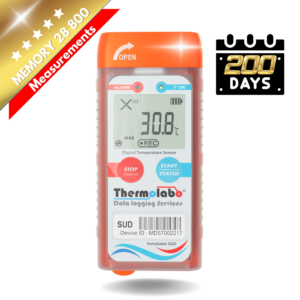
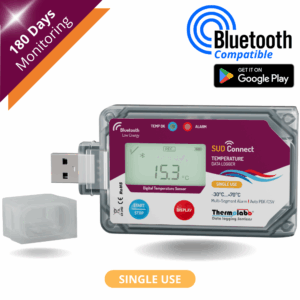
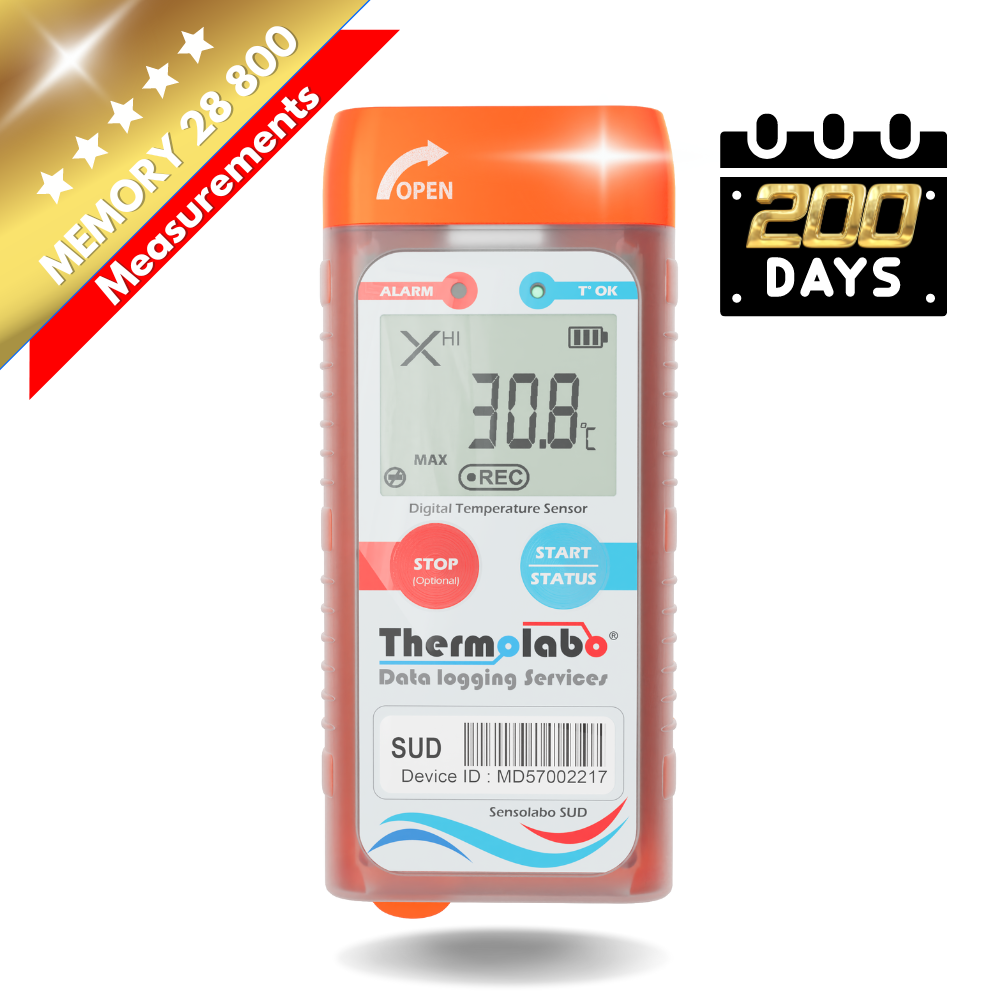
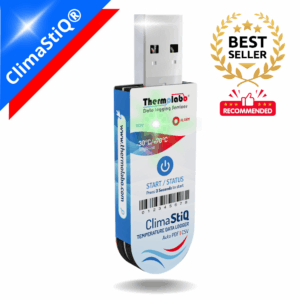
A USB temperature data logger is an electronic device designed to record and store temperature data accurately. It is widely used in sectors such as the pharmaceutical, food, and logistics industries, where cold chain management is crucial to ensure the safety and quality of temperature-sensitive products. When connected to a local computer via a USB port, this device provides a detailed history of the recorded data, ensuring rigorous monitoring of storage and transport conditions.

What Is a USB Temperature Data Logger?

The USB temperature data logger, also known as a data logger USB, is designed to monitor the environmental conditions of a temperature-sensitive product, whether during transport or storage. Placed near the products it is monitoring, it allows, after a set period, to verify whether the temperature conditions have been within the acceptable range. This device is widely used in industries such as food, pharmaceuticals, laboratories, and refrigerated transport.

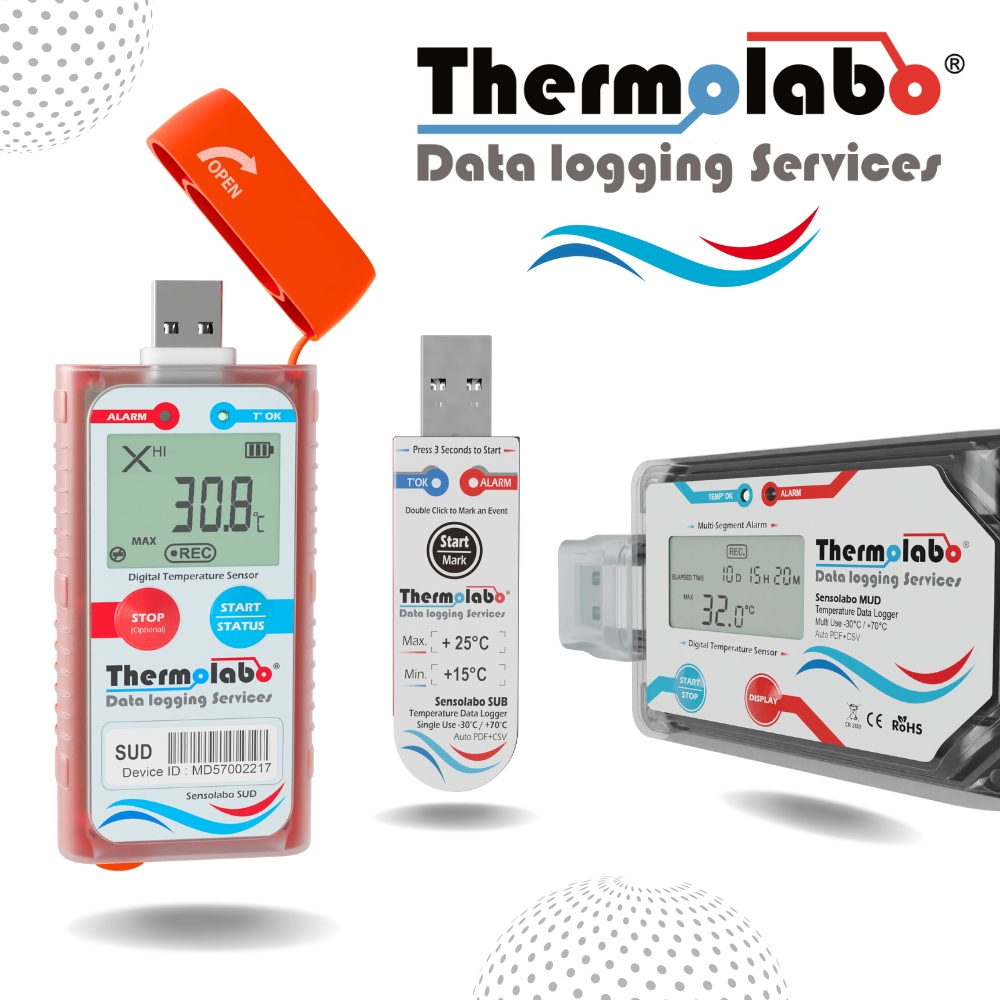
Typically, it comes in the form of a USB stick. The dimensions and shape may vary depending on the manufacturer, but the core components remain the same: a logger that captures temperature data at regular intervals and may be reusable or single-use, depending on the specifications. Some models are also equipped with an LCD screen to display real-time temperature readings.

USB Temperature Data Logger vs Temperature Indicator: What’s the Difference?

It is essential to differentiate between a temperature data logger and a temperature indicator, as these two devices serve different purposes. A temperature data logger is similar to a photograph: it captures a series of data over time, allowing the temperature to be monitored at multiple points throughout the period. Thanks to its internal clock, it timestamps each measurement, providing a full historical record of the conditions in which the product was stored.

On the other hand, a temperature indicator only provides a snapshot: it simply shows if the temperature has exceeded the acceptable limits, without indicating when this happened or for how long. It’s a basic visual tool that doesn’t provide the ability to track temperature fluctuations over time.

The Evolution of USB Temperature Data Loggers

The first USB temperature data loggers appeared in the late 1990s. Initially, these devices required software to be installed on a computer to read the data. However, with technological advancements, by the mid-2000s, these data loggers evolved. Today, they are capable of automatically generating PDF reports and temperature graphs as soon as they are connected to a computer. The data logger then functions as a regular USB drive, from which the user simply retrieves the PDF report detailing the recorded data history.

The Limitations of USB Data Loggers in a Strict Regulatory Environment

Although USB data loggers have simplified temperature data management, their use faces challenges, especially in sectors such as the pharmaceutical industry, where regulatory and security requirements are becoming increasingly stringent. One of the main challenges with these devices is the need to manually extract and transfer the files for analysis, which can introduce risks of human error and data loss.

Additionally, removable USB storage devices are increasingly vulnerable to cyberattacks. Companies focused on data security and IT infrastructure are starting to limit the use of these devices. The growing security requirements further restrict the use of USB storage, making these devices a less secure option.

Securing Data: Sensolabo SUD and File Authentication

Despite these challenges, USB temperature data loggers remain one of the simplest and most accessible ways to monitor temperature-sensitive products. Modern solutions like Sensolabo SUD provide an interesting alternative by ensuring the integrity of the data. Sensolabo SUD integrates a proprietary file verification and authentication system when storing data on the cloud, securing the data throughout the process.

The system also allows for a complete audit of the software code and ensures that only trusted subcontractors are involved in manufacturing, thus minimizing IT security risks. This approach guarantees total control over cybersecurity, which is essential in an environment where regulatory and security requirements are more demanding than ever.

Why Choose a USB Temperature Data Logger?

USB temperature data loggers remain a popular choice for many businesses because of their ease of use and affordability. Their ability to generate detailed PDF reports in just a few simple steps and their broad compatibility with local computers make them an indispensable tool for many industries. However, to address the challenges associated with data security and regulatory compliance, it’s essential to choose integrated, secure solutions like Sensolabo SUD, which ensure the integrity of the collected data.

In conclusion, if you’re looking for an effective solution to monitor the temperature of your temperature-sensitive products while ensuring compliance with safety standards, the USB temperature data logger is a smart choice. But to go further and protect your data, prioritize advanced solutions that integrate robust security systems.

Explore Our USB Temperature Data Logger Solutions

To learn more about our USB temperature data logger and humidity monitoring solutions, feel free to explore our products and services by clicking HERE. Ensure the safety of your temperature-sensitive products with reliable and secure temperature monitoring devices.

Détecter les excursions de température pendant le transport

Full temperature traceability of pharmaceuticals in 7 seconds

How to combine modern technology and many years of experience in supply chains of pharmaceuticals around the world?

The cooperation between the French-Polish company Blulog and Thermolabo from France shows how to.

The strength, efficacy, and potency of a drug can be profoundly degraded by changes in temperature and drugs should be stored and transported only within temperature conditions under the terms of their Marketing Authorisations (MA) if defined.

Any excursion outside this range may result in having an influence on the main degradation factors of drugs and/or potentially lowering or losing the therapeutic effectiveness of a drug.

Exposed to external conditions, transport is one of the least reliable pharmaceutical processes and in the real life, excursions during transportation are not rare events.

An effective temperature monitoring is therefore an essential component of Good Distribution Practice (GDP) followed by the people dealing with transport, storage, and distribution of pharmaceuticals before their final dispense to patients.

In this context, Stéphane Mure founded Thermolabo in 2015 to help pharmacists and Qualified Persons (QP) to provide billions of people access to high quality medicines.

Thermolabo’s activity was initially focused on temperature data management and dataloggers supply services. We were constantly obliged to address the same problems generated by traditional dataloggers and decided to look on how to provide our customers a compliant, easy to use, geolocated and low-cost way to monitor their pharma products.

After testing GSM, Bluetooth and IoT technology, it become quickly clear that only NFC Contactless technology can fit with all expectations and we engage a partnership with Blulog to develop a pharma-centric contactless monitoring solution.” says Stéphane Mure, CEO at Thermolabo.

From the beginning, the French company initiative was driven by simplicity.

“Above all, a NFC contactless datalogger is very easy to use. With one movement in less than 2 seconds, thanks to Sensolabo® it is now possible to read, send and instantly store the data and being alerted by email without any technical installation.”

The developed solution now brings enhancement in all fields:

“Sensolabo® strengthens compliance by eliminating data manipulations and reduces goods receiving time and workload…it only takes 5 seconds to start and 2 seconds to process..that give you all your time to monitor serenely”.

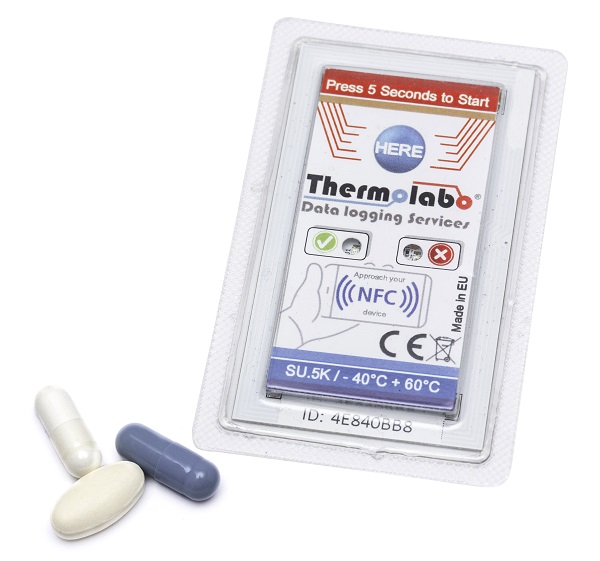
The French company bases its services on modern technologies. The key is cooperation with Blulog, a Polish-French company that has found and patented an intuitive solution to support temperature monitoring. The system works on the NFC technology. Credit card size data loggers perform measurements with a setup measurement interval and are equipped with a coin cell battery and the data is encrypted and collected in the application.

Our data loggers measure the temperature with accuracy of +/- 0.2 ° C in the range from 0 to 30 ° C and +/- 0.4 ° C in the remaining range. Detailed data is available at all times using any Android, NFC-equipped phone or special readers. Then users can store data on a secure server, get access automatically generates reports and charts.” says Jérémy Laurens, CEO of Blulog.

The data loggers can be mounted in refrigerators, medical staff rooms, but also in containers or vehicles used for transporting medicines. Such a range of possibilities means that the Thermolabo services based on Blulog technology are used in France or other drug companies throughout Europe, Asia and the Middle East. What’s more, an important advantage of the system is the simplicity and rapidity of use – to start the device, users have just to press the button for a few seconds.

The technology is already used by pharmaceutical companies and drug distributors around the world, major NGO-s and different medical entities, as well as other international companies, including DHL


Sonde enregistreur de température pour professionnels USB PDF

What is a Data Logger ?

Temperature Data Loggers: Optimizing the Monitoring of Pharmaceutical Products

In the pharmaceutical industry, the data logger, or temperature data logger, is a critical tool for ensuring the safety of temperature-sensitive healthcare products throughout their transport and storage. These devices precisely track temperature and humidity fluctuations, preventing the degradation of the quality of medicines or vaccines, which can be highly sensitive to environmental changes. The temperature data logger ensures that products remain within optimal temperature ranges and meet the stringent regulatory requirements for cold chain monitoring.

The Evolution of Temperature Data Loggers: From Mechanical to Digital

Once purely mechanical and often limited in functionality, temperature data loggers have now evolved into sophisticated, electronic, autonomous, and programmable devices. These new models can record data for periods ranging from a few hours to several months, depending on the specific needs of the user. For example, products like the Sensolabo SUD, a temperature data logger with USB connectivity, can continuously monitor temperature during transport or storage. This technology allows for the recording and storage of detailed information over long periods without requiring human intervention.

In addition to monitoring temperature, some data loggers can now also measure relative humidity, another critical factor in preserving the integrity of temperature-sensitive products. These devices ensure that healthcare products have not been compromised due to non-compliant temperature or humidity conditions during transport and storage. For instance, the Sensolabo SUD generates an automatic, detailed PDF report as soon as it is connected to a PC via a simple USB connection, simplifying the monitoring process and verifying storage conditions.

Why Managing Temperature Data Loggers Is Crucial

Managing data loggers in the pharmaceutical industry is complex, especially given the wide variety of models and brands available. While most data loggers require a connection to a computer to extract the data, the lack of common standards further complicates the management of these devices. Users are often faced with a multitude of data logger types, each requiring specific cables or software, which adds complexity to the process and increases the likelihood of human error.

Furthermore, low-cost models equipped with removable USB storage devices introduce additional risks. These devices can lead to data loss, file mismanagement, or technical failures, especially due to the poor quality of some models. It is therefore crucial to adopt high-quality data loggers that can withstand the demanding logistical conditions of the pharmaceutical industry. Managing these temperature data loggers becomes a significant logistical challenge: it is essential to integrate these devices into existing logistical data flows to avoid wasting time and resources. Proper management of these devices ensures that products under monitoring are never left without oversight.

Automation and Optimized Monitoring with NFC Technology

To address these challenges, automation of data collection and processing is essential. NFC (Near Field Communication) technology represents a major advancement in real-time monitoring of healthcare products. This contactless technology enables the instantaneous reading, sending, and storing of temperature data within just 2 seconds through a simple interaction between the data logger and a compatible device. This eliminates risks associated with human errors, improper cable connections, or the loss of traditional storage media.

Solutions like Sensolabo® NFC provide secure and fast management of temperature data, allowing the sender or logistics manager to be informed in a single action. The use of NFC technology also significantly reduces the time required for data processing. Information is stored and accessible in real time, enabling faster decision-making and more efficient management of alerts. This technology transforms the monitoring process for temperature-sensitive products into a smoother, faster, and more secure workflow.

Conclusion: The Importance of an Efficient and Connected Temperature Data Logger

In a context where logistical and regulatory requirements are becoming increasingly stringent, having reliable and high-performance temperature data loggers is indispensable. The connected temperature data logger has become a key tool in the pharmaceutical industry, enabling real-time monitoring of healthcare products throughout their supply chain. Thanks to technological innovations, modern temperature data loggers offer precise, reliable, and easily accessible monitoring data in real time. The automation of data collection and the use of contactless technologies, such as NFC, help eliminate human error and improve the efficiency of monitoring processes.

Advanced solutions combining USB connectivity and NFC technology ensure optimal management of temperature-sensitive products. They not only help meet regulatory requirements but also simplify and accelerate the management of data loggers. These technologies offer full visibility into storage and transport conditions, thereby ensuring product quality and safety. Digitalization and automation of monitoring processes are now key elements in maintaining an efficient, secure, and compliant pharmaceutical supply chain.

In conclusion, investing in an intelligent, connected data logger, such as those equipped with advanced technologies like NFC, is a strategic choice for optimizing the management of temperature-sensitive products. This system guarantees not only high-quality monitoring but also increased operational efficiency, simplifying logistics tasks and ensuring the safety of healthcare products throughout their journey.

Data loggers - Pourquoi changer pour le NFC ?

Data loggers – Why Should You Change for NFC ?

NFC is Easy to Use

Above all, an NFC data logger is very easy to use. It does not require any user training and does not require a cable or computer to be read.

In a single gesture and without contact, it is now possible to read, send and store temperature data instantly.

Watch in video


3 billion reading possibilities

You just need an NFC Smartphone and approach it to the data logger so that it starts automatically! It works with Android phone and Iphone (from 7 or higher)

You are never short of solutions, there are more than 3 billion compatible smartphones in the world.

The list of NFC Smartphones


Technological, Practical and Affordable

An NFC data logger is more than just a robust and affordable temperature recorder, it gives you access to premium features like geolocation at each reading.

Discover our range on the online store

logo nfc rond bleu sur fond blanc

What is NFC?

Near Field Communication (NFC) is a short-range contactless communication technology.

The Near Field Communication is implemented on standard on almost all smartphones and it is estimated that there will be nearly 6 billions units in the world by the end of 2026.

Read More

les différents data loggers gérés par Thermolabo

Launch of a New Range of Services

An interoperable & universal internet platform for temperature traceability

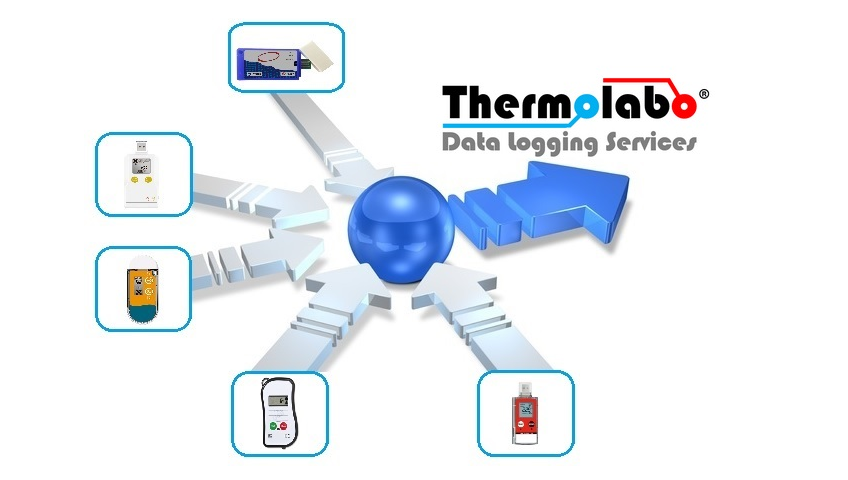
Thermolabo announces the launch of a range of services and the implementation of an interoperable universal internet platform capable of managing the traceability of the transport conditions of healthcare products, regardless of the brand or type of sensors used.

“We started from the observation that one of the biggest difficulties in temperature monitoring is data recovery. Most of the time, laboratories devote a significant part of their quality resources for that task”

Read More